
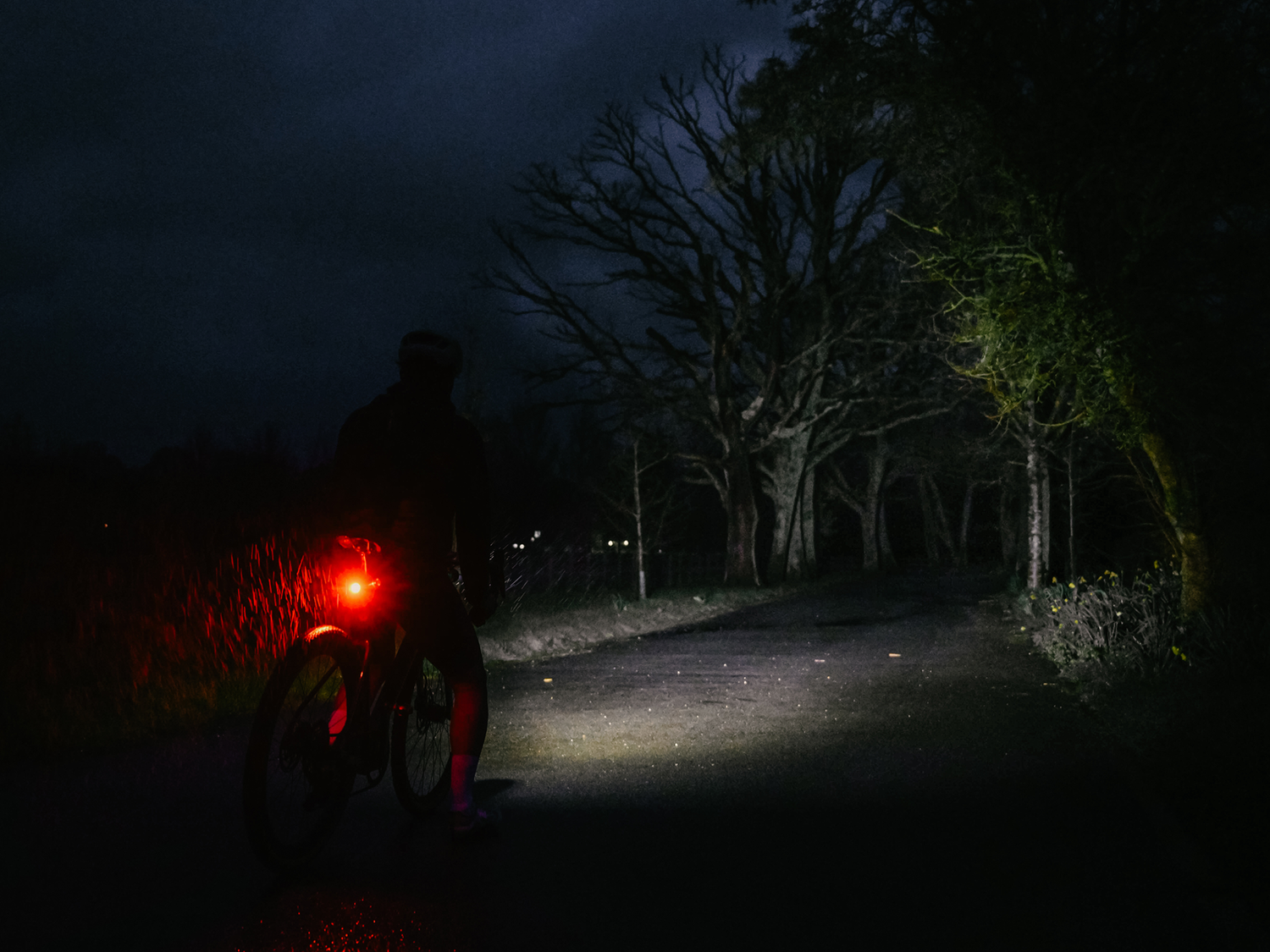
Quick answer: a claimed lumen figure is what a light's LED could theoretically produce in perfect lab conditions. A measured lumen figure is the light that actually leaves the lamp, tested on the finished product. Many manufacturers advertise the theoretical number. At Exposure, every figure we publish is measured on a calibrated integrating sphere, in every program and mode, across the full runtime.
There are a number of factors that contribute to choosing the right light for your needs, but arguably the biggest is lumens.
What is a lumen?
A lumen is a unit of measurement for the overall output of a light. It is different to lux, which is a unit of measurement for light intensity at a given point. At Exposure, we believe lumen measurement provides a better idea of what the user will see. It's the way we've measured our lights since we started in 2005.
The key word there is measured.
What's the difference between measured and claimed lumens?
We could claim and advertise theoretical lumen outputs, which is the number of lumens a light is theoretically capable of producing, and which many light manufacturers do. But a finished light rarely delivers what its LED promises on paper. Output is lost through the lens and optics, drops as the LED heats up and the light steps down to protect itself, and falls away as the battery drains. That's why a "3,000 lumen" light can deliver far less on the trail. We believe in providing real, accurate figures.
How does Exposure measure lumens?
We measure the lumen output of our lights using a calibrated integrating sphere. And we measure the output of each light for the duration of its various runtimes, so that we can accurately state what each light will give you, in every program and mode.
Why does it matter?
How many lumens a light could produce is good for marketing, but it's no use when you're bikepacking in remote areas, or riding on the limit down a steep, technical descent, is it?
When you're working out [how many lumens you actually need for night riding], make sure the number you're comparing is a real one.
Frequently asked questions
What is the difference between lumens and lux?
Lumens measure the total light output of a lamp. Lux measures light intensity at a single point. Lumens give a better idea of what a rider will actually see across the whole beam.
Why is my bike light dimmer than advertised?
Many brands advertise theoretical LED output rather than measured output. Real-world brightness is reduced by the optics, by thermal step-down as the light heats up, and by the battery draining.
How are Exposure lumen figures measured?
Every Exposure light is tested on a calibrated integrating sphere, in every program and mode, across its full runtime. The figure on the box is the output the light actually delivers.


