
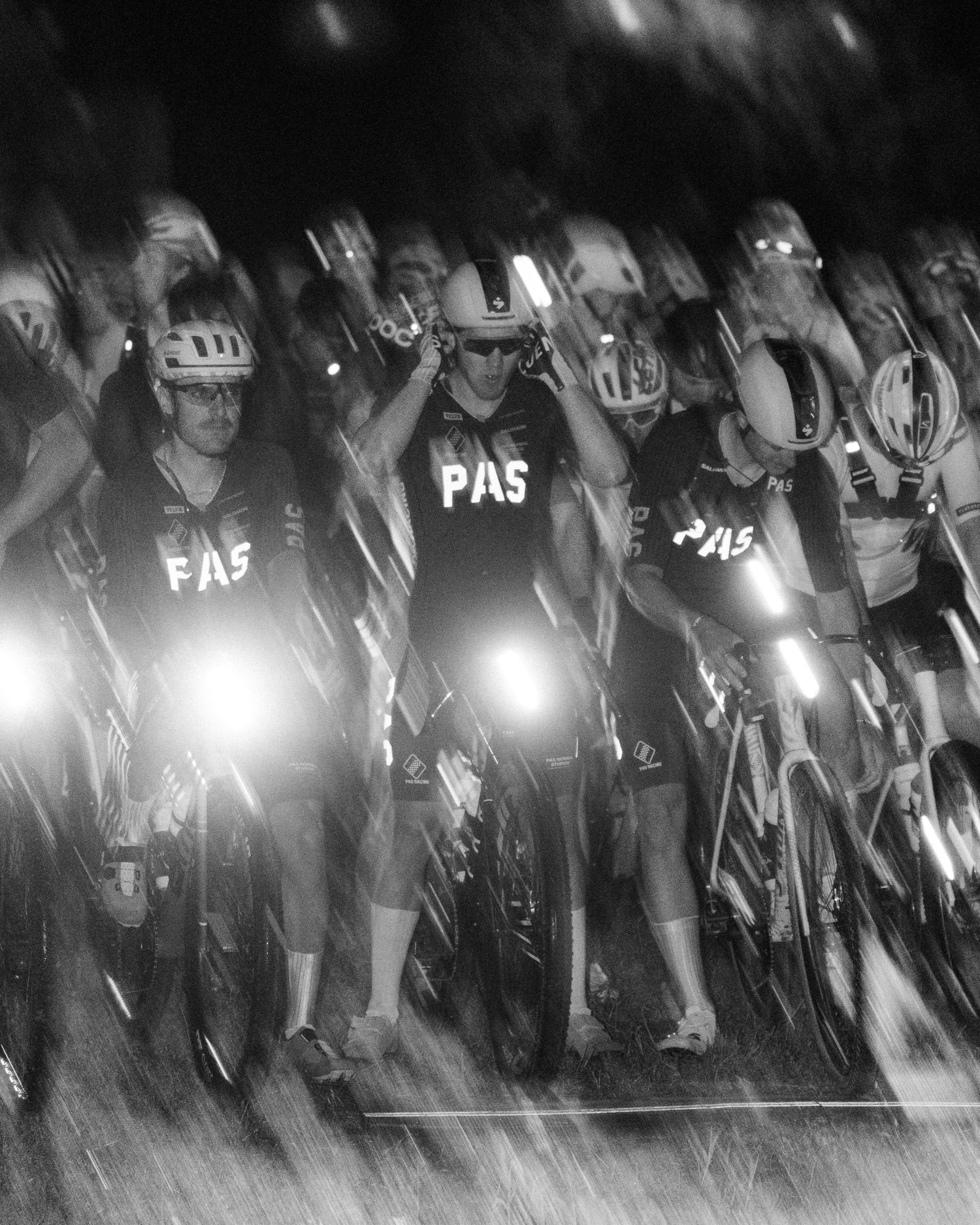
The Traka is one of the most demanding gravel events on the calendar, and for anyone tackling the longer Traka legs, riding through the night is not a hypothetical, it is a near certainty. Whether you have signed up for The Traka Adventure at 560km, The Traka 360, or one of the shorter Traka distances, the difference between a finish and a scratch often comes down to one thing most riders underprepare for: lighting.
At Exposure Lights we have been kitting out riders for The Traka since the event grew into the gravel benchmark it is today. This guide breaks down exactly what light setup you need for each Traka distance, how to think about run time when you are deep into hour 20, and why pairing the right bar and helmet combination is the single biggest upgrade you can make to your night-riding confidence.
Why Night Riding At The Traka Is Different
Girona's gravel is fast, technical in places, and unforgiving when fatigue sets in. Once the sun drops behind the hills, the dust kicked up from rider traffic, the loose surface on the descents, and the narrow forest sections combine into a real test of nerve. A weak or poorly positioned light turns a flowing descent into a lottery. A properly specced setup keeps you riding at full pace, reading the terrain like it is daylight, and saving the mental energy you need for the final hours.
The Traka is not the place to find out your commuter light is not enough. Every distance from The Traka 100 upwards is likely to put you on the bike during low-light conditions, and the longer legs guarantee hours of full darkness.
The Traka Adventure (560km): The Full Overnight Battle
The Traka Adventure is the longest distance on offer at 560km, and it is a genuine overnight effort. Most riders will be on the bike for the better part of two nights, deep in remote terrain, often alone. This is where you cannot afford to compromise.
For The Traka Adventure we recommend a twin setup of the Toro and the Six Pack on the handlebars, with a Diablo on the helmet.
The Six Pack is the flagship of the Exposure range, built for exactly this kind of riding. It throws a wide, deep beam that lets you carry speed on fast gravel descents and read the terrain well ahead. The Toro pairs beautifully with it as a runtime-friendly partner, and gives you redundancy if anything goes wrong with your primary unit. Running both means you can manage your battery strategy across the night, dropping one to a lower power mode while the other does the heavy lifting.
The Diablo on the helmet is non-negotiable on the Adventure. Bar lights show you what is in front of the wheel, but a helmet light shows you where you are looking. On switchback gravel descents, in tight forest sections, and when you need to spot a turn at the last second, the Diablo on the helmet is what keeps you upright.
The Traka 360: Long Night Rides, Less Margin For Drift
The Traka 360 still puts you out for a substantial portion of the night, and the demands are similar even if the total time on the bike is shorter. Riders here can run leaner without losing capability.
For The Traka 360 we recommend the Toro on the bars, with a Diablo on the helmet, and a Joystick as a backup or as a secondary helmet light for slower technical sections.
The Toro gives you the bar light power you need for the fast, open gravel sections that define the 360. It is light enough not to weigh down the front end, and the run time at sensible power settings will see you through the darkest hours. The Diablo on the helmet does the same job it does on the Adventure, pointing your beam wherever your eyes are pointing. The Joystick is a brilliant insurance policy. It weighs almost nothing, slips into a jersey pocket, and means you are never left in the dark if something fails.
The Traka 200 And Shorter Distances: Smart, Light, Capable
The Traka 200 and the shorter legs typically avoid the deepest part of the night. Fast riders on the 200 may finish before full darkness, and even slower finishers usually only deal with dawn or dusk conditions rather than pitch black forest riding.
For The Traka 200 and shorter distances we recommend either a Diablo on the bars, or the Sirius if you are confident you will not be riding in pitch black conditions.
The Diablo is more than capable of handling low-light gravel at speed, and on the bar it gives you a clean, focused beam without the weight of a higher-output unit. For riders who know they will only be dealing with twilight conditions, the Sirius is a brilliantly judged choice. It is compact, the run time is generous, and it gives you all the visibility you need when there is still some ambient light to work with.
Worth flagging: our Global Sales Manager is running a Sirius on his Traka 200 attempt this year. He has done his maths on the projected finish time, knows he will be racing the sunset rather than riding through the deep night, and has chosen the Sirius for its weight and run-time profile. It is a good example of matching the light to the actual conditions you will face, rather than overspeccing because the event sounds long on paper.
Quick Reference: Traka Distance To Light Setup
For The Traka Adventure (560km), run a Toro and Six Pack on the bars with a Diablo on the helmet. For The Traka 360, run a Toro on the bars, a Diablo on the helmet, and a Joystick as backup. For The Traka 200 and the shorter Traka distances, run a Diablo on the bars or a Sirius if you will not be in pitch black conditions.
Final Thoughts Before You Line Up At The Traka
The riders who finish the longer Traka distances strong are the ones who treated their lighting setup with the same seriousness as their nutrition and their tyre choice. Run time matters, beam quality matters, and having a helmet light to complement your bar setup matters more than almost any other piece of kit you will carry.
Whatever Traka distance you have entered, get your lights tested on a long night ride before race day, charge everything to full the day before, and pack a backup. The Traka rewards riders who plan for the dark.
Good luck out there. We will see you in Girona.


